
If you're living with persistent muscle soreness, joint stiffness, or nerve-related discomfort, you've probably wondered about alternatives to medication. One option that consistently generates questions from our customers is TENS therapy. Let's break down what TENS units are, how they work, and whether one might be right for you.
What Is a TENS Unit?
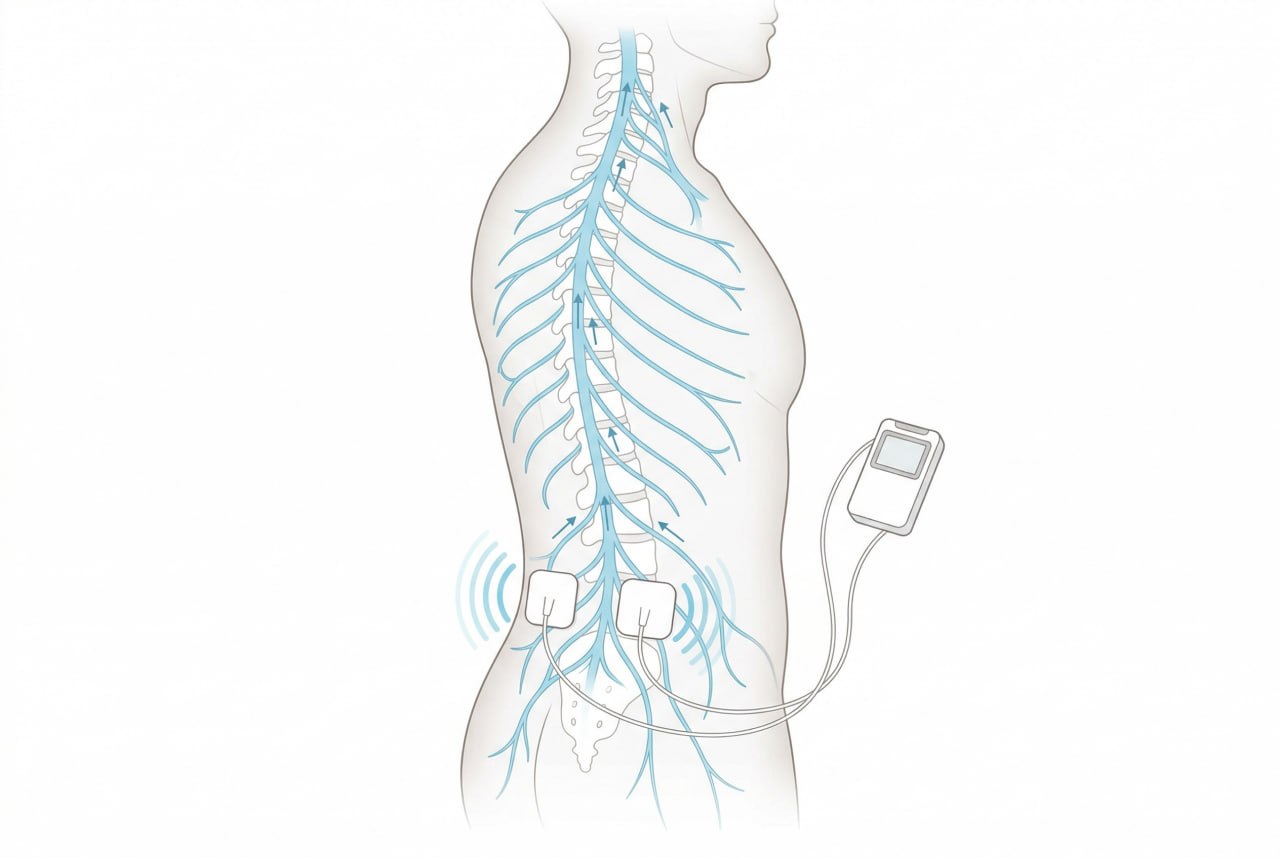
Figure 1: How TENS therapy sends electrical impulses through nerve pathways to block pain signals
Figure 1: How TENS therapy sends electrical impulses through nerve pathways to block pain signals
TENS stands for Transcutaneous Electrical Nerve Stimulation — a mouthful that simply means "electrical stimulation through the skin." These compact, battery-powered devices deliver low-voltage electrical currents through electrode pads placed on your skin.
The concept is straightforward: the gentle electrical impulses travel through your skin to underlying nerve fibers. TENS units are designed for personal use at home, making them a convenient option for people seeking on-demand therapy without scheduling appointments.
How Might TENS Therapy Help?
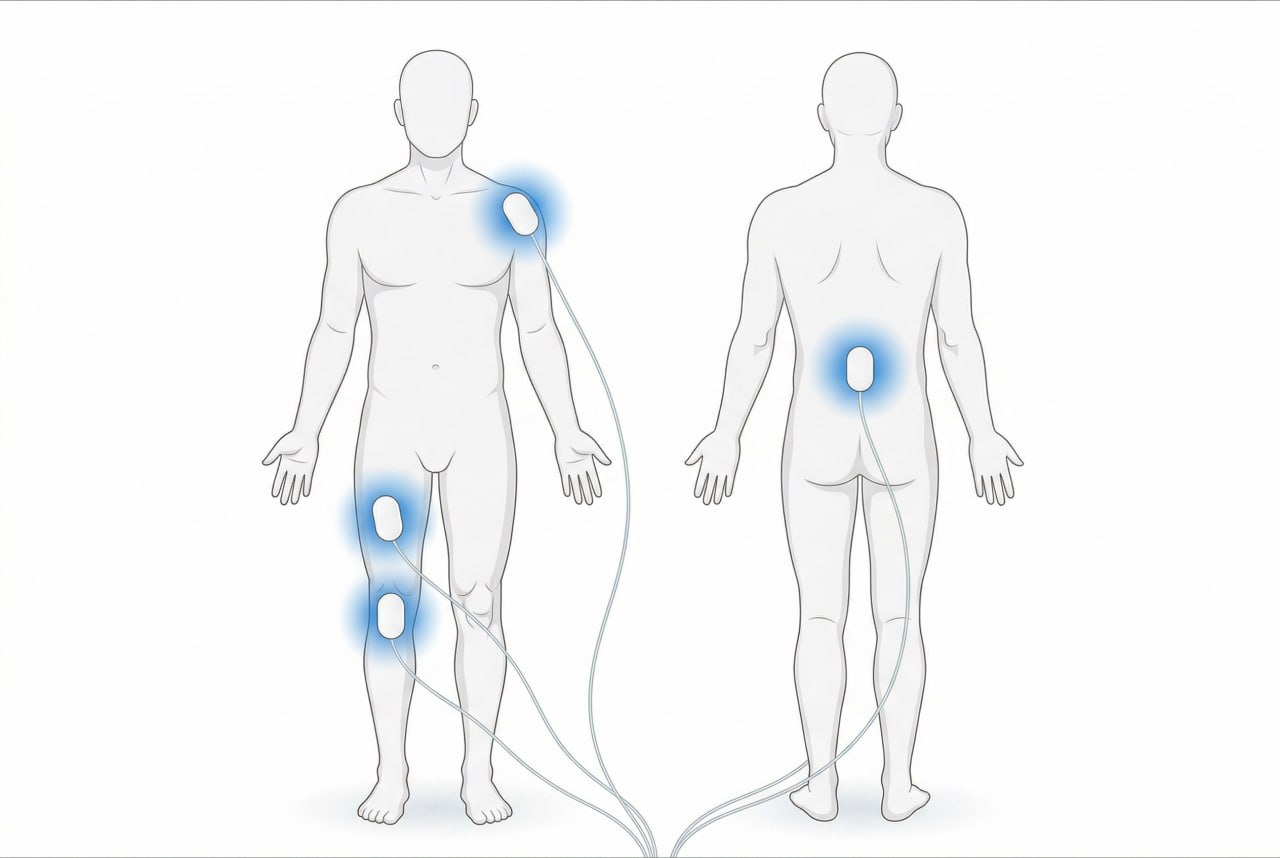
Figure 2: Common electrode placement areas for TENS therapy
According to manufacturer specifications, TENS units are intended for the temporary relief of pain associated with sore and aching muscles in the shoulder, waist, back, neck, upper extremities, and lower extremities. The electrical stimulation may help by:
- Blocking pain signals from reaching the brain (the "gate control" theory)
- Triggering endorphin release — your body's natural feel-good chemicals
- Promoting relaxation in tense muscle groups
It's important to understand what TENS units are not designed to do. They don't cure underlying conditions, treat diseases, or replace professional medical care. Think of them as one tool in your overall wellness toolkit — potentially helpful for managing day-to-day discomfort, but not a standalone solution.
Who Might Benefit?
TENS therapy may be worth exploring if you experience:
- Chronic lower back tension from desk work
- Post-workout muscle soreness
- Arthritis-related joint discomfort
- Neuropathy symptoms (with doctor approval)
- General muscle tightness from physical labor
However, TENS units aren't for everyone. Avoid use if you have a pacemaker, are pregnant (unless approved by your doctor), or have epilepsy. Always consult your healthcare provider before starting any new therapy.
Key Features to Consider
Not all TENS units are the same. Here are features to look for when choosing a device:
- Number of channels — Dual-channel units let you treat two areas simultaneously
- Intensity levels — More levels mean finer control over your comfort
- Pre-programmed modes — Different settings for various body parts or types of discomfort
- Portability — Compact units travel easily; larger ones may offer more features
- Battery life — Rechargeable options save money long-term
Tips for First-Time Users
Starting with a TENS unit is simple, but a few pointers can improve your experience:
- Start low — Begin with the lowest intensity setting and gradually increase until you feel a comfortable tingling sensation
- Clean skin — Ensure the application area is clean and dry for proper adhesion
- Pad placement matters — Position pads on either side of the area of discomfort, not directly on joints or the spine
- Session length — Most manufacturers recommend 20-30 minute sessions
- Experiment — Try different modes and intensities to find what works best for your body
The Bottom Line
TENS therapy represents an accessible, drug-free option that many people find helpful for managing muscle-related discomfort. While results vary from person to person, the low risk and ease of use make TENS units worth considering as part of a broader wellness approach.
At Pro Therapy Supplies, we carry a range of TENS units from trusted manufacturers. Whether you're looking for a basic model to try out or a feature-rich device with multiple programs, we're here to help you find the right fit for your needs.

 and then Add to Home Screen.
