
Choosing the Right Back Brace: A Complete Buyer's Guide
By Sean Tang | Medical Equipment Specialist
Last updated: April 2026
Quick Summary:
- Lumbar support braces → Lower back pain, herniated discs, post-surgery
- Posture correctors → Slouching, desk workers, rounded shoulders
- Sacroiliac (SI) belts → SI joint dysfunction, pregnancy-related pain
- Rigid braces → Severe instability, post-operative recovery
- Corset-style → Compression, chronic pain, everyday support
Choosing the wrong back brace can make pain worse. This guide covers how to select the right type, fit, and features for your specific condition.
Understanding Back Brace Types
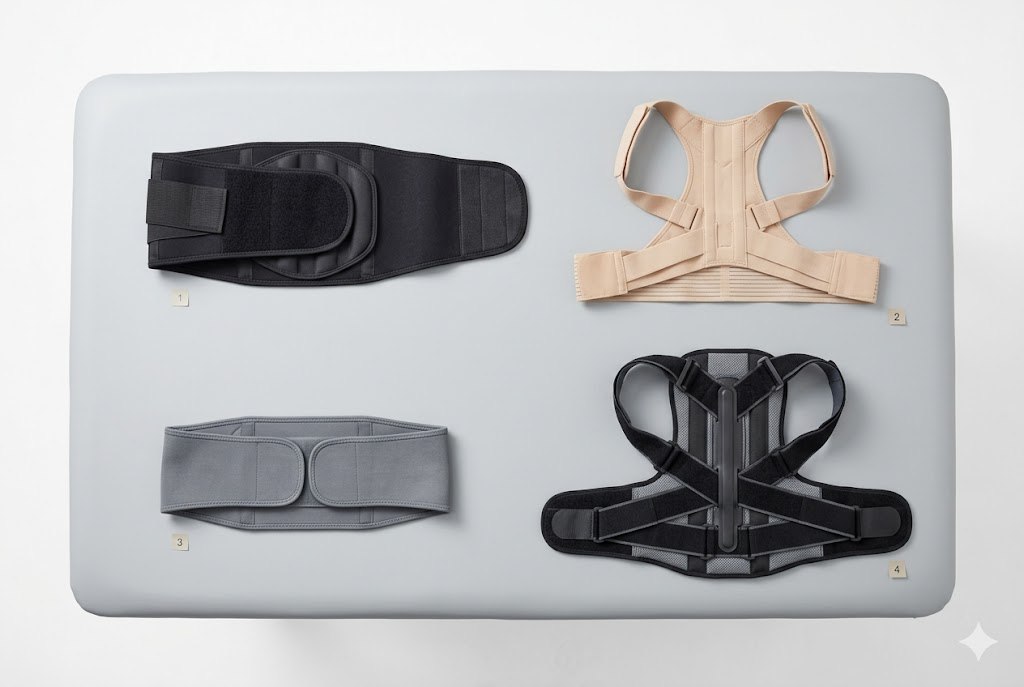
Lumbar Support Braces
Best for: Lower back pain, muscle strains, herniated discs
Key features:
- Rigid or semi-rigid panels for spinal support
- Adjustable compression straps
- Often includes removable inserts
- Breathable mesh panels for comfort
When to use: Daily activities, work, mild to moderate pain
Posture Correctors
Best for: Poor posture, rounded shoulders, desk workers
Key features:
- Y- or X-strap design pulls shoulders back
- Lightweight, wearable under clothing
- Adjustable tension straps
- Focuses on upper back/shoulders
When to use: During work hours, computer use, posture training
Sacroiliac (SI) Belts
Best for: SI joint dysfunction, pelvic instability, pregnancy pain
Key features:
- Low-profile design sits below waist
- Compresses sacroiliac joints
- Non-slip silicone strips
- Often wider in back, narrower in front
When to use: Walking, standing, pregnancy/postpartum recovery
Rigid Braces
Best for: Post-surgery, severe instability, fracture recovery
Key features:
- Hard plastic or metal stays
- Maximum immobilization
- Often prescribed by doctors
- Limited flexibility
When to use: Post-operative recovery, under medical supervision only
Corset-Style Braces
Best for: Chronic pain, compression therapy, everyday support
Key features:
- Wrap-around design with laces or Velcro
- Customizable compression levels
- Often includes steel or plastic boning
- Traditional design, proven effectiveness
When to use: Chronic conditions, daily wear, customizable support
Size and Fit Guide
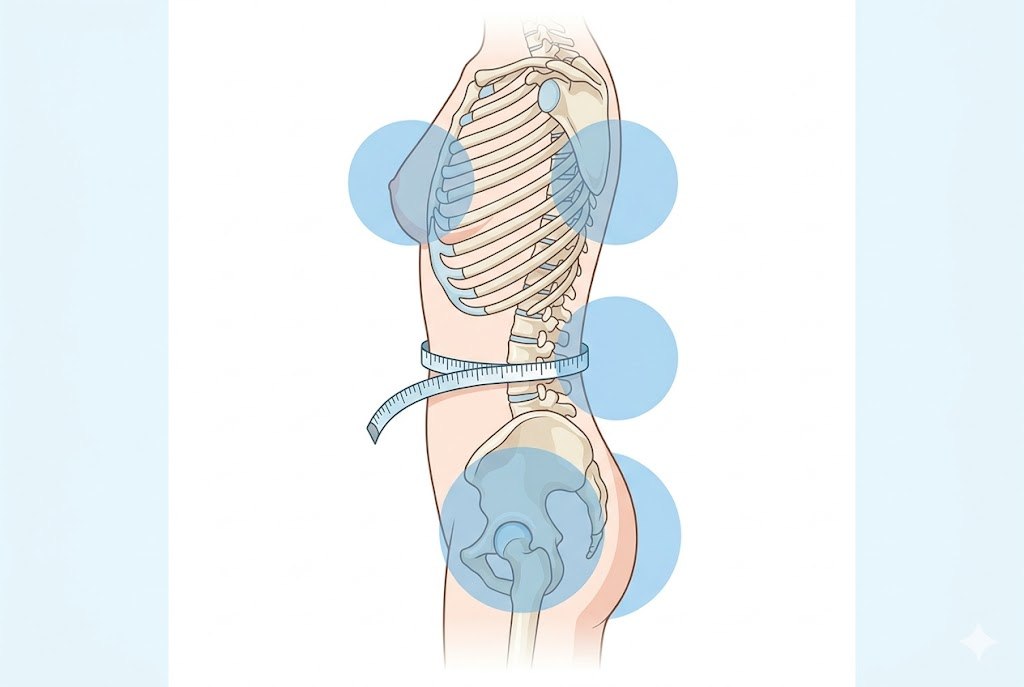
Measuring Correctly
| Body Area | How to Measure | Location |
|---|---|---|
| Waist | Around natural waistline | Just above belly button |
| Hips | Around widest part of hips | 7-9 inches below waist |
| Chest | For posture correctors | Under armpits, around back |
Fit Checklist
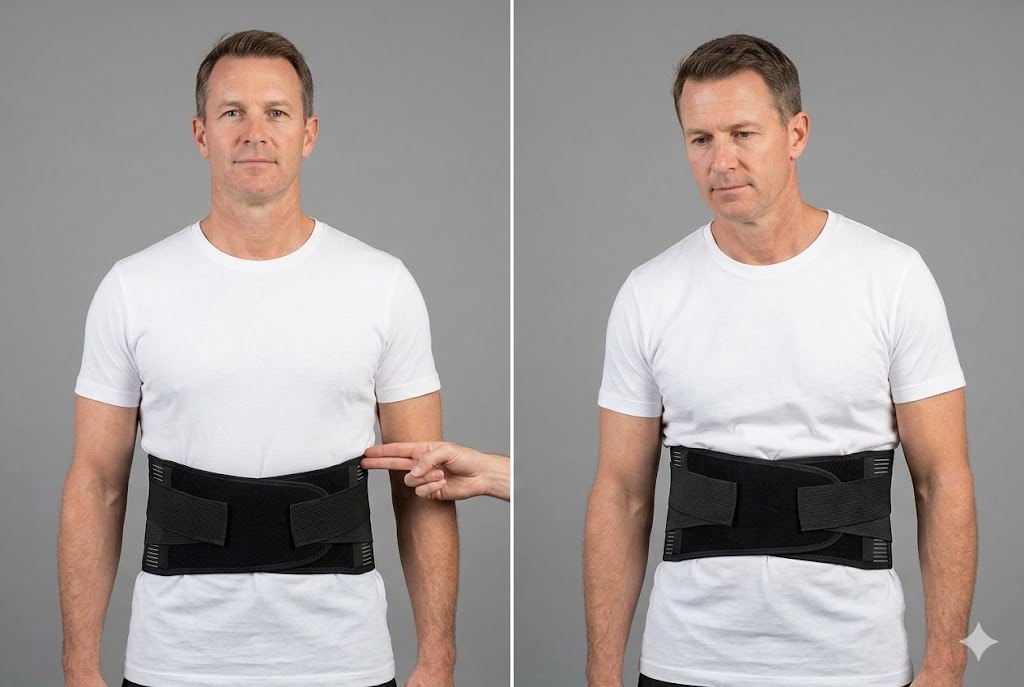
✅ Correct fit:
- Snug but not restrictive
- Two fingers fit between brace and body
- Stays in place during movement
- No pinching or digging
- Can breathe deeply without restriction
❌ Wrong fit:
- Slides up or down
- Causes numbness/tingling
- Restricts breathing
- Creates red marks
- Pain increases during use
Features to Consider
Material and Breathability
- Neoprene: Warmth, compression, retains heat (good for muscle relaxation)
- Mesh/elastic: Breathable, cooler, better for all-day wear
- Cotton blends: Soft, skin-friendly, good for sensitive skin
Closure Type
- Velcro: Quick on/off, adjustable tension
- Lace-up: Custom compression, traditional corset feel
- Hook-and-loop: Secure hold, less bulky than Velcro
- Pullover: Simple design, no closures to fail
Additional Features
| Feature | Benefit |
|---|---|
| Removable stays | Adjust rigidity for different activities |
| Lumbar pad | Targeted pressure on specific vertebrae |
| Double-pull straps | Mechanical advantage for tighter compression |
| Non-slip lining | Stays in place during movement |
| Moisture-wicking | Comfort during extended wear |
Matching Brace to Condition
Lower Back Pain
Recommended: Lumbar support brace with removable stays
Why: Provides compression and adjustable support
Usage: During activities that aggravate pain
Herniated Disc
Recommended: Rigid or semi-rigid lumbar brace
Why: Limits motion to protect healing disc
Usage: As prescribed by doctor, during flare-ups
Sciatica
Recommended: Lumbar support with targeted compression
Why: Reduces nerve irritation through stabilization
Usage: During walking, standing activities
Post-Surgery Recovery
Recommended: Rigid brace prescribed by surgeon
Why: Maximum immobilization for healing
Usage: Exactly as directed by medical team
Scoliosis
Recommended: Custom TLSO brace (medical prescription)
Why: Specifically fitted to individual curvature
Usage: Under orthotist supervision only
Posture Correction
Recommended: Posture corrector or clavicle brace
Why: Retrains muscle memory, pulls shoulders back
Usage: Start with 15-30 minutes, gradually increase
Pregnancy-Related Pain
Recommended: Maternity support belt or SI belt
Why: Supports growing belly, stabilizes pelvis
Usage: During second/third trimester as needed
Heavy Lifting/Occupational
Recommended: Industrial lumbar support with suspenders
Why: Prevents injury during repetitive lifting
Usage: During work shifts, remove during breaks
When NOT to Wear a Back Brace
⚠️ Avoid or consult doctor if:
- Pain is severe, sudden, or unexplained
- You have skin conditions or open wounds under brace area
- You experience numbness, tingling, or weakness in legs
- Pain radiates down legs (possible nerve compression)
- You have osteoporosis or bone density issues
- You're recovering from spinal surgery (follow surgeon's orders exactly)
Proper Wear and Care
How Long to Wear
- Acute pain: 1-2 hours at a time, several times daily
- Posture training: Start 15-30 minutes, build to 2-3 hours
- Work support: During shifts, remove for breaks
- Sleep: Generally not recommended unless prescribed
Cleaning Instructions
- Hand wash in mild soap and cool water
- Air dry flat (never machine dry—heat damages elastic)
- Clean weekly with regular use
- Replace when Velcro weakens or elastic stretches
Skin Care Tips
- Wear thin cotton shirt under brace
- Check skin daily for irritation
- Rotate between two braces if wearing daily
- Apply moisturizer after removing (not before)
FAQ
Q: Will a back brace weaken my muscles?
A: Only if worn 24/7 for extended periods. Use as directed, combine with strengthening exercises.
Q: Can I exercise while wearing a back brace?
A: Light activity yes, but remove for core strengthening exercises unless prescribed.
Q: How tight should a back brace be?
A: Snug enough to feel support, loose enough to slide two fingers underneath.
Q: Should I sleep in my back brace?
A: Generally no, unless specifically prescribed by your doctor post-surgery.
Q: How long do back braces last?
A: 6-12 months with daily use. Replace when elastic loosens or closures fail.
Shop Back Braces at Pro Therapy Supplies
We carry a full range of back braces for every condition:
- Lumbar support braces → Shop Now
- Posture correctors → Shop Now
- SI joint belts → Shop Now
- Rigid support braces → Shop Now
Why buy from us?
✓ Free shipping on orders $50+
✓ Insurance billing assistance
✓ Expert fitting guidance
✓ 45-day hassle-free returns
Questions? Our team includes certified fitters who can help you choose. Call 1-800-883-0368 or email support@protherapysupplies.com.

 and then Add to Home Screen.
